Read enough Scotch labels and the same words keep turning up: sherry cask, port finish, double wood, three wood. They describe the barrels the whisky spent its life in, and since the cask shapes more of the flavor than most people expect, they are some of the more useful words on the bottle.
Why so much Scotch starts in bourbon barrels
Scotch must mature in oak casks of no more than 700 liters for at least three years in Scotland. Bourbon, by US law, must go into new charred oak containers. That leaves American distillers with a steady supply of barrels they can only use once, and Scottish distillers buy a great many of them.
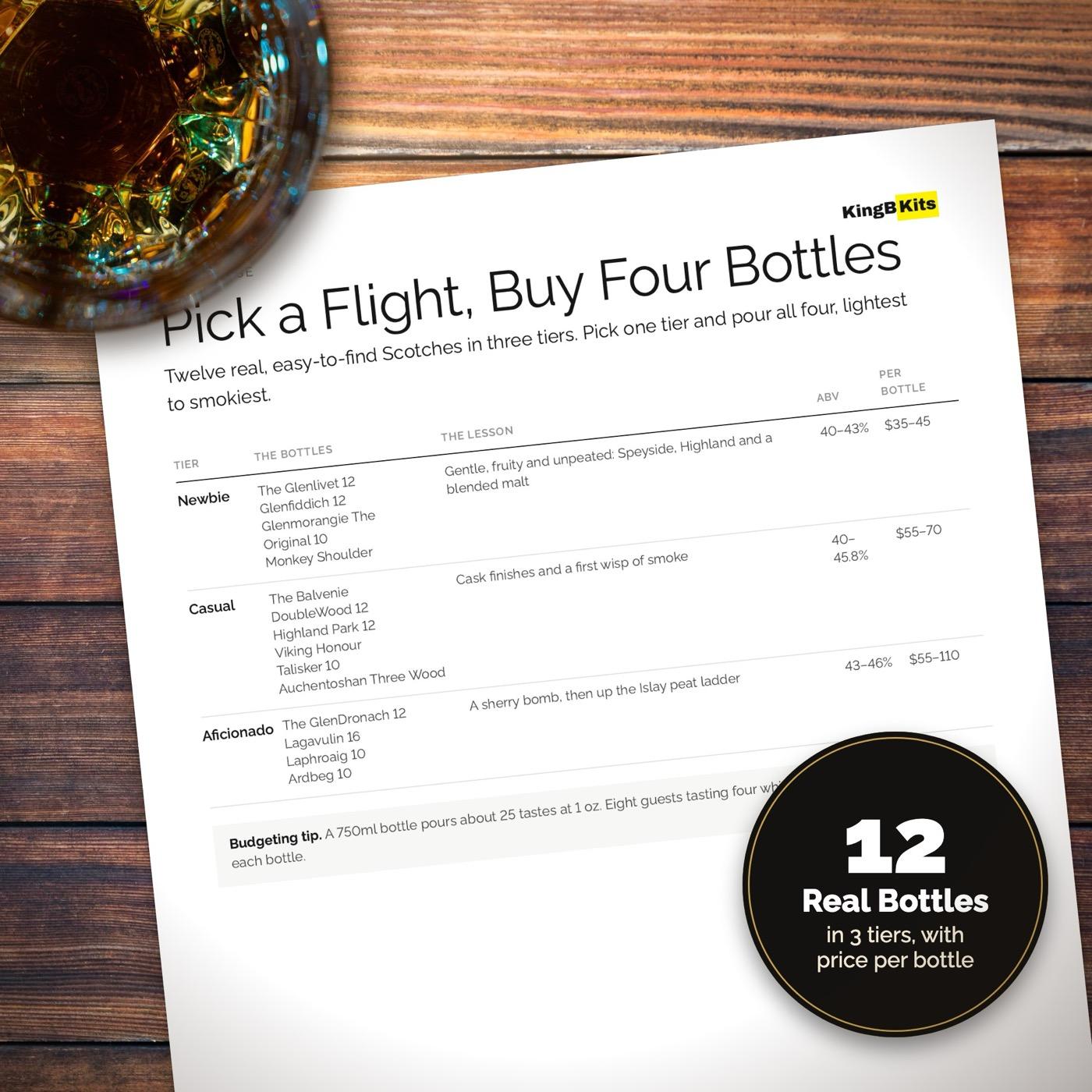
An ex-bourbon cask has already given up some of its punch, so it adds flavor gently: vanilla, honey, coconut and soft spice from American oak. Glenmorangie The Original 10 is a clean example of what that tastes like.
What a sherry or wine cask adds
Casks that held sherry bring a different set of flavors: dried fruit, raisin, nuts, baking spice and often a darker color. Oloroso sherry is dry and nutty; Pedro Ximénez (PX) is intensely sweet and raisiny, and its casks show it. Most sherry casks used today are seasoned for the whisky trade, filled with sherry for a period so the wood is ready for whisky, rather than pulled from old sherry bodegas.
Port casks tend to add red fruit and a slightly jammy sweetness. Rum casks lean toward brown sugar and tropical fruit. Wine casks vary as much as wine does.
Finish vs. full maturation
These are two different things, and the label usually tells you which:
- A finish means the whisky matured mostly in one cask, usually ex-bourbon, then moved to a second cask for a shorter stretch. The Balvenie DoubleWood 12 is the classic case. Auchentoshan Three Wood goes through ex-bourbon, then Oloroso, then PX casks.
- Full maturation means the whisky spent its whole life in that cask type. The GlenDronach 12 matures in Oloroso and PX sherry casks, which is why it tastes so much heavier on dried fruit than a finished whisky does.
Labels rarely say how long a finish lasted, so "finished in" can mean a light accent or a heavy coat of paint.
Color is not proof
Scotch is allowed to contain plain caramel coloring, so a dark whisky is not automatically a sherry cask whisky. Read the label, then trust your nose.
Taste the difference
Pour the four in order: Glenmorangie The Original 10, The Balvenie DoubleWood 12, Auchentoshan Three Wood, then The GlenDronach 12. You move from ex-bourbon only, to a sherry finish, to a double finish, to full sherry maturation, and the dried fruit builds glass by glass. Our Scotch tasting guide covers glassware and pours.
The Scotch 101 kit builds this into its Casual tier, where cask finishes are the lesson, and includes a bottle card for every whisky above.